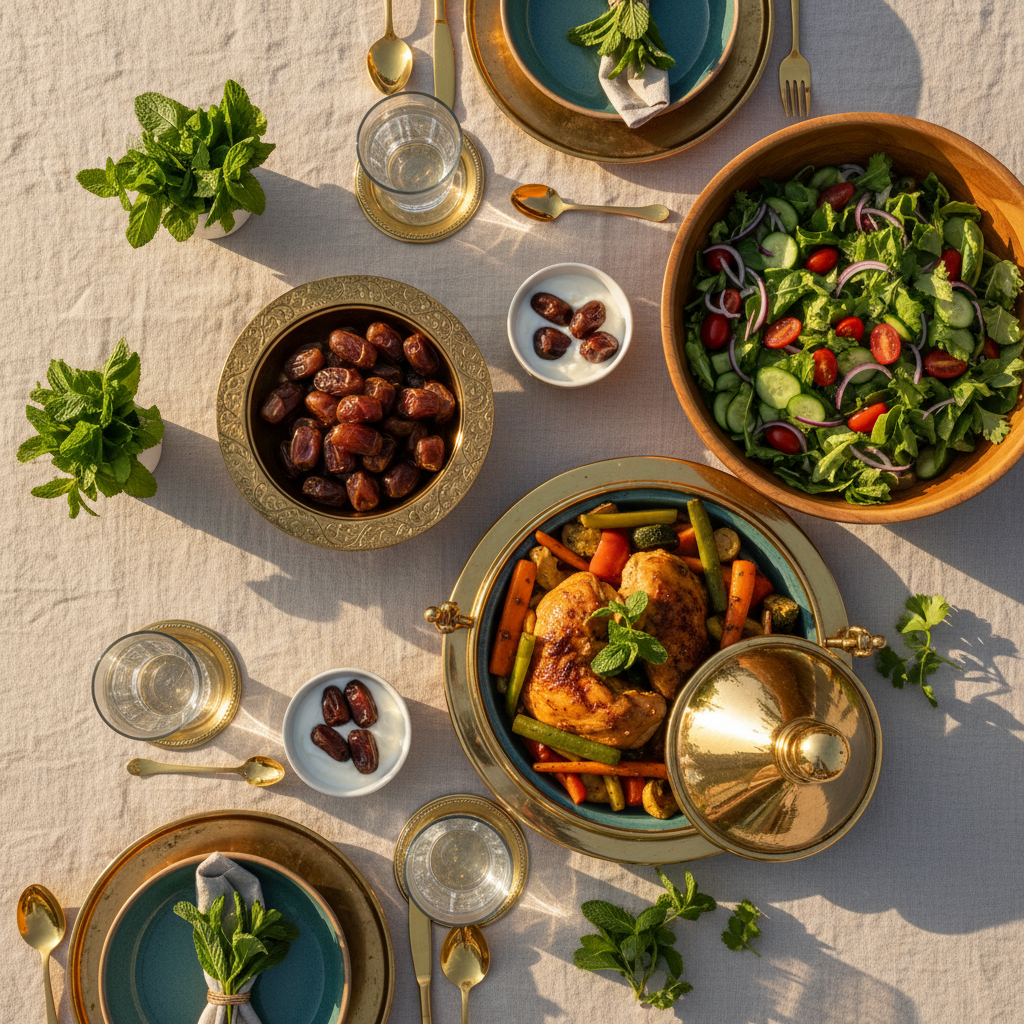
GLP-1 receptor agonist medications like semaglutide (Wegovy, Ozempic) and tirzepatide (Mounjaro, Zepbound) work by significantly reducing appetite. For many patients, this is the primary benefit — the constant "food noise" quiets, portions naturally shrink, and the compulsive drive to eat diminishes.
But this reduced appetite creates a nutritional challenge: when you are eating less food overall, the quality of what you eat becomes critically important. Every meal needs to deliver maximum nutritional value. Poor food choices on a GLP-1 medication can lead to muscle loss, nutrient deficiencies, fatigue, and hair thinning — side effects that are preventable with proper planning.
This guide provides a practical framework for halal meal planning that supports your health, preserves your muscle mass, and honors both your medical treatment and your deen.
Why Nutrition Matters Even More on GLP-1s
When you eat less, your body has fewer opportunities to obtain the protein, vitamins, and minerals it needs. Research published in Obesity (2022) found that patients on semaglutide who did not prioritize protein lost a higher proportion of lean muscle mass compared to those who did.
The key nutritional priorities on GLP-1 medications are:
- Protein first. Aim for 60-80 grams of protein daily at minimum. Some providers recommend 1 gram per kilogram of ideal body weight.
- Fiber and micronutrients. Vegetables, fruits, and whole grains provide vitamins, minerals, and digestive support.
- Healthy fats. Essential for hormone production, brain function, and absorption of fat-soluble vitamins.
- Hydration. At least 64 ounces (about 2 liters) of water daily. GLP-1 medications slow gastric emptying, and dehydration worsens nausea and constipation.
Protein Prioritization: Halal Sources
Protein is the single most important macronutrient during weight loss. It preserves lean muscle mass, supports immune function, and increases satiety. Here are the best halal protein sources:
Animal Proteins (highest bioavailability):
- Chicken breast: 31g protein per 4 oz serving
- Lamb (lean cuts): 28g protein per 4 oz serving
- Wild-caught salmon: 25g protein per 4 oz serving
- Eggs: 6g protein per large egg
- Greek yogurt (full fat): 15g protein per 3/4 cup
- Cottage cheese: 14g protein per 1/2 cup
Plant Proteins:
- Red lentils: 18g protein per cup (cooked)
- Chickpeas: 15g protein per cup (cooked)
- Black beans: 15g protein per cup (cooked)
- Tofu (firm): 20g protein per cup
- Edamame: 17g protein per cup
Tip: Start every meal with your protein source. When appetite is limited, eat the most nutritionally dense food first.
The Sunnah Foods: Ancient Wisdom, Modern Science
The Prophet ﷺ favored certain foods that modern research has validated as nutritional powerhouses:
Dates (Tamr): Rich in fiber (6.7g per 100g), potassium, magnesium, and natural sugars. Ideal for breaking fast or as a pre-workout snack. Studies in the Journal of Agricultural and Food Chemistry confirm their antioxidant properties. Limit to 2-3 dates per serving to manage sugar intake during weight loss.
Olive Oil (Zayt): The Quran references olives as blessed. Extra virgin olive oil is rich in oleic acid and polyphenols. A 2022 meta-analysis in The Journal of the American College of Cardiology confirmed its cardiovascular benefits. Use 1-2 tablespoons daily for cooking or dressing.
Honey ('Asal): The Quran says, "There comes forth from their bellies a drink of varying color, in which is healing for people" (An-Nahl 16:69). Raw honey has antimicrobial properties, but it is calorie-dense (64 calories per tablespoon). Use sparingly — a teaspoon in tea or on yogurt.
Black Seed (Habbatus Sauda): The Prophet ﷺ said, "In the black seed is a cure for every disease except death" (Sahih al-Bukhari, 5688). Research published in the Journal of Diabetes & Metabolic Disorders (2013) shows Nigella sativa may improve blood sugar regulation and lipid profiles. Add ground black seed to smoothies, yogurt, or salads.
Pomegranate (Rumman): Exceptionally high in polyphenol antioxidants. Studies in Phytotherapy Research show cardiovascular and anti-inflammatory benefits. Sprinkle seeds on salads and grain bowls.
Sample Halal Meal Plan
Suhoor-Style Breakfast (High Protein, Sustained Energy)
- 2 eggs scrambled with spinach and feta cheese (19g protein)
- 1/2 avocado on whole grain toast
- 2 dates
- Green tea or black coffee
- Total: ~25g protein, ~400 calories
Lunch
- Grilled chicken breast (4 oz) over mixed greens (31g protein)
- Quinoa (1/2 cup cooked)
- Cucumbers, tomatoes, red onion with olive oil and lemon dressing
- Hummus (2 tablespoons)
- Total: ~38g protein, ~500 calories
Dinner
- Baked salmon with za'atar and lemon (4 oz, 25g protein)
- Roasted cauliflower and sweet potato
- Side of lentil soup (1 cup, 9g protein)
- Total: ~34g protein, ~450 calories
Snack (if hungry)
- Greek yogurt with a drizzle of honey and walnuts (18g protein)
- Total: ~18g protein, ~200 calories
Daily Total: ~115g protein, ~1,550 calories
This is a template. Adjust portions and foods based on your individual caloric needs, which your DeenFuel provider can help you determine.
Foods to Minimize
While no food is absolutely forbidden (within halal guidelines), certain foods undermine your weight loss efforts and worsen GLP-1 side effects:
- Fried foods: Slow gastric emptying further, increasing nausea. Extremely calorie-dense.
- Sugary drinks: Juice, soda, and sweetened chai provide empty calories and spike blood sugar.
- Processed snacks: Chips, cookies, and packaged sweets offer minimal nutrition.
- High-fat red meat in excess: Choose lean cuts. Fatty lamb and beef can worsen nausea on GLP-1s.
- Very large meals: Even if healthy, eating too much at once overloads a stomach that is emptying more slowly.
Hydration: The Most Overlooked Priority
Dehydration is one of the most common problems on GLP-1 medications. Reduced appetite often extends to reduced thirst. Meanwhile, the medication's effects on gastric emptying can worsen constipation if fluid intake is inadequate.
Aim for 64 ounces (8 cups) of water daily at minimum. Strategies that help:
- Keep a water bottle with you at all times
- Drink a full glass of water before each meal
- Set hourly reminders on your phone
- Flavor water with cucumber, mint, or lemon
- Herbal teas count toward your daily intake
- Bone broth is an excellent source of hydration plus protein
The Prophet ﷺ drank water in three sips (Sahih Muslim, 2028), pausing between each — a practice that naturally slows intake and improves absorption.
Practical Tips
- Meal prep on weekends. Cook chicken, rice, and lentils in bulk. Portion into containers for the week.
- Eat slowly. GLP-1 medications can cause nausea if you eat too quickly or too much. Take 20-30 minutes per meal.
- Listen to your body. If you are not hungry, do not force yourself to eat a full meal — but do make sure you hit your protein minimum.
- Supplement wisely. Discuss with your provider whether you need a multivitamin, vitamin D, B12, or iron supplementation.
- Plan around social events. Family gatherings often revolve around food. Eat a small protein-rich snack beforehand so you can participate without overeating.
Your nutrition plan is not a punishment. It is a form of care — for the body Allah entrusted to you and for the health that enables you to worship, work, and serve. Eat well, eat halal, eat with intention. Bismillah.